Michael Bay Sues Cadillac Over Their F1 Super Bowl Ad
Michael Bay has filed a $1.5 million lawsuit against Cadillac over its Formula 1 Super Bowl commercial, claiming the automaker used his creative ideas without credit.
- Fahad Hamid
- 4 min read
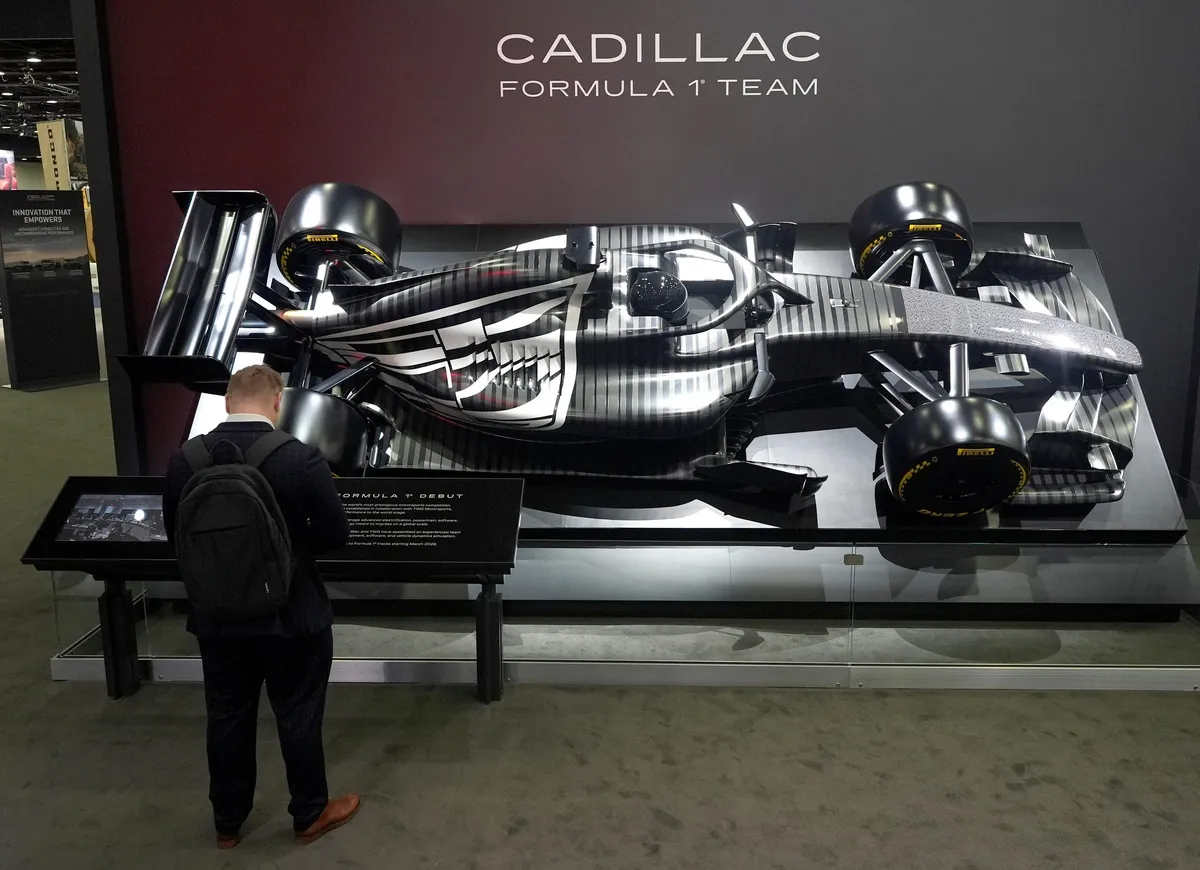
The Super Bowl is usually the biggest night of the year for advertising, when brands spend millions to capture 30 seconds of American attention.
But this year, the fireworks started early for Cadillac. The luxury automaker finds itself in a legal dogfight with blockbuster director Michael Bay, and the drama is arguably more explosive than the commercial itself.
Bay, the man behind the massive explosions in Transformers and Armageddon, has filed a $1.5 million lawsuit against the car company.
He claims they lured him in to design their high-stakes Formula 1 launch, stole his visual concepts, and then cut him out of the production.
1. The $1.5 Million Claim Against Cadillac
It was supposed to be a victory lap. Cadillac is gearing up to launch its own Formula 1 team, a massive move designed to showcase American engineering on the global stage. To introduce this ambitious project to the world, they needed a Super Bowl spot that screamed “power” and “spectacle.” Naturally, they called Michael Bay. According to the lawsuit filed in Los Angeles, Bay alleges that he was promised full creative control by Dan Towriss, the CEO of the Cadillac F1 team. The pitch was flattering: they needed the “most American director” to sell an American car, joining a European-dominated sport. However, things turned ugly when Bay claimed the company ghosted him. After spending weeks developing the creative vision, he alleges Cadillac and their ad agency took his specific ideas—including a distinctive visual style—and handed them off to a cheaper production team to execute.
2. How the Partnership Went Off Track
The timeline of this breakdown reads like a script for a Hollywood deal gone wrong. It started in November 2025, when Towriss allegedly reached out to Bay. By early December, Bay was already deep in pre-production. He had even arranged for a Formula 1 car to be shipped to the Mojave Airport for a specialized shoot. Then came the plot twist. On December 11, just as production was ramping up, Bay received a text message. The agency was “going in a different direction.” While getting fired or replaced is common in Hollywood, Bay’s issue isn’t losing the gig—it’s what he saw afterward. When Cadillac began releasing promotional materials for the F1 team in February 2026, Bay noticed familiar elements. Specifically, he points to the use of “shimmering gold chrome” on the cars and specific camera angles that mirror the concepts he pitched during those early meetings. This isn’t just a squabble over a paycheck; it’s a PR headache happening at the worst possible time. Cadillac is trying to enter Formula 1, a sport that is currently exploding in popularity across the United States, thanks largely to Netflix’s Drive to Survive and the upcoming Brad Pitt racing movie. For an American brand like Cadillac, the goal is to look cutting-edge, cool, and ethical. Launching a team is expensive and risky, and having the debut overshadowed by accusations of intellectual property theft dilutes the message. Instead of talking about the engine or the drivers, the press is talking about a lawsuit.
3. Can You Copyright a “Vibe”?
Legal experts are already weighing in, noting that Bay faces an uphill battle. Proving that you own the idea of a “gold car” or a specific lighting style is notoriously difficult in court. Copyright law protects finished works much more effectively than it protects ideas or concepts discussed in meetings. Bay’s case will likely hinge on whether he can prove there was a breach of an implied contract. Did Cadillac or its representatives make verbal promises that were legally binding? That’s what the Los Angeles courts will have to decide. Despite the legal noise, the show will go on. Cadillac is expected to air its commercial during the Super Bowl as planned. They haven’t issued a detailed public breakdown of the situation, likely preferring to let their lawyers handle the talking while they focus on the F1 launch. For Michael Bay, the lawsuit is a matter of principle (and $1.5 million). For Cadillac, it’s a messy distraction during a critical brand pivot. As viewers tune in to the big game, many will watch the car commercial a little differently, looking for those “shimmering gold” touches that allegedly sparked a million-dollar war.
- Tags:
- Michael Bay