Kenneth Walker III Didn’t Change Overnight But His Legacy Did
Kenneth Walker III woke up the morning after Super Bowl LX sounding exactly like the same quiet, grounded running back the Seattle Seahawks have known all season. Nothing felt different to him. But history says otherwise. With a dominant performance in a 29–13 Super Bowl victory over the New England Patriots, Walker joined one of the rarest clubs in NFL history and reshaped how his career will be remembered. What felt ordinary to him became a legacy moment for the sport.
- Krishna Sagar
- 4 min read
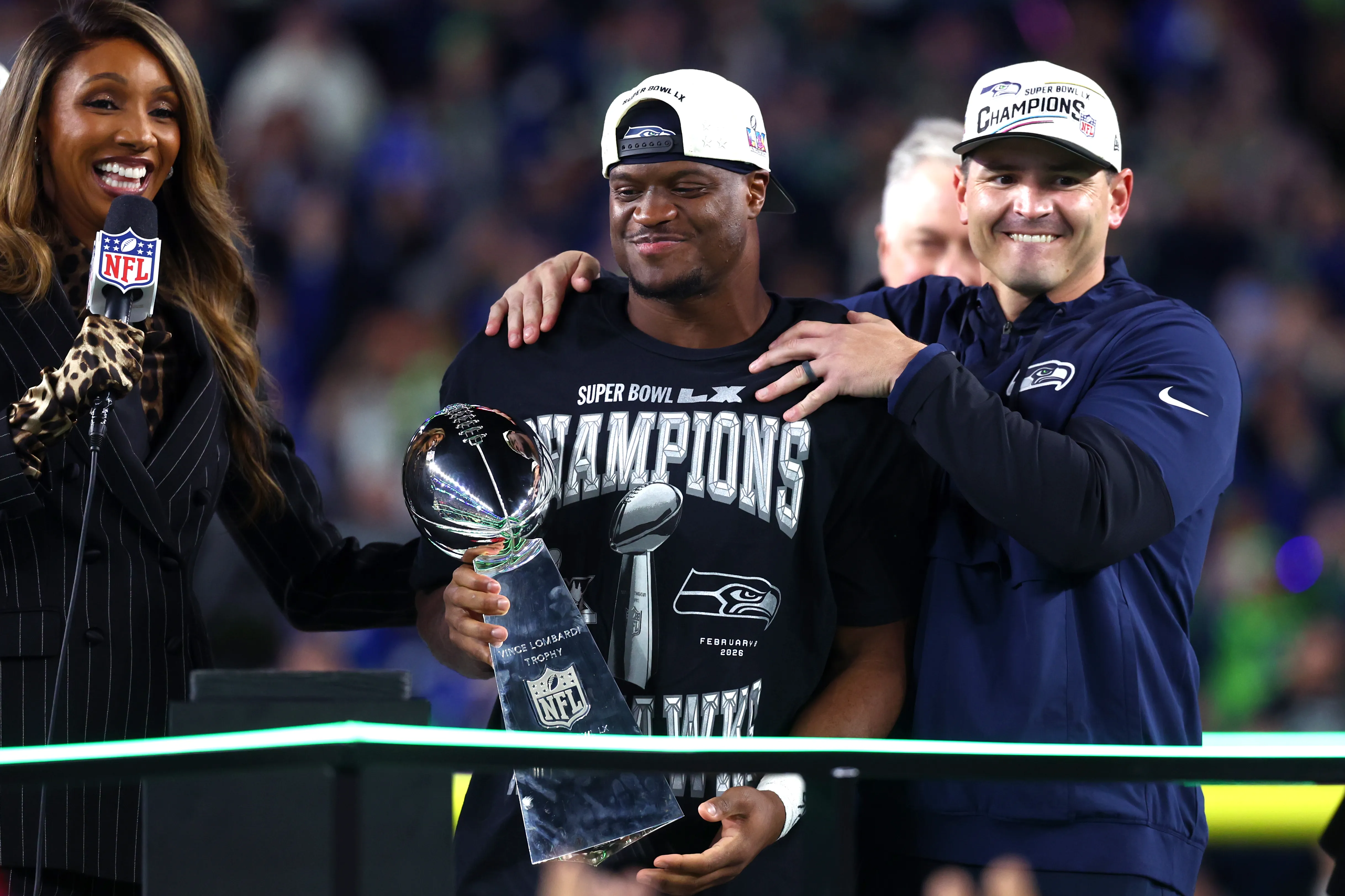
Some Super Bowl heroes speak in sweeping statements about destiny and transformation. Kenneth Walker III did not.
The day after the Seattle Seahawks won Super Bowl LX, Walker smiled, answered questions softly, and insisted that nothing about him had changed. He felt the same. He prepared the same. He approached the moment the same way he always had.
That calm response is part of what made the moment so powerful. While Walker downplayed the impact, his performance permanently altered how his career will be framed.
On the biggest stage in football, he delivered one of the most complete running back performances the Super Bowl has seen in decades. The result was not just a championship ring, but the game’s most exclusive individual honor. Walker did not chase legacy on Sunday night. He created it.
1. A Super Bowl Performance That Stands Alone
Walker rushed 27 times for 135 yards in Seattle’s 29–13 win over New England, adding receiving production to finish with 161 total yards from scrimmage. The Patriots had no answer for his balance, patience, and power. From the opening drive onward, Seattle leaned on him, and he responded by controlling the rhythm of the game.
His rushing total marked the most yards by a player in the Super Bowl since Terrell Davis in Super Bowl XXXII. More significantly, Walker became just the eighth running back in NFL history to win Super Bowl MVP, and the first to do so since Davis accomplished the feat in 1998.
In an era dominated by quarterbacks, Walker forced voters to look elsewhere. He did not rely on a single explosive run or a late-game flourish. Instead, he wore the Patriots down snap by snap, forcing missed tackles and extending drives that slowly tilted the game out of reach.
According to Next Gen Stats, Walker forced nine missed tackles, turning modest gains into back-breaking plays. Seattle did not need him to be flashy. They needed him to be relentless. He was.
2. Carrying the Offense When It Mattered Most
Walker’s impact was clearest in the first half, when Seattle’s offense searched for consistency. He rushed for 94 yards before halftime alone, repeatedly flipping field position and keeping New England’s defense on the field.
Two long second-quarter runs of 29 and 30 yards directly led to Jason Myers field goals that helped Seattle seize control.
In the third quarter, Walker showed his versatility. He caught a short pass from Sam Darnold and turned it into a 20-yard gain, again setting up points. New England knew what was coming. They could not stop it.
By the time the fourth quarter arrived, the game belonged to Seattle’s defense and to Walker’s legs. The Patriots never recovered.
3. A Postseason Run for the Ages
The moment carried even more weight for Walker because of who was watching. His father, Kenneth Walker Jr., attended an NFL game in person for the first time on Sunday night. Big crowds were not something his father enjoyed, but this one mattered.
For Walker, that presence transformed an already unforgettable night into something deeply personal. He spoke openly about how meaningful it was to share the moment with his family, especially at the highest stage the sport offers. Legacy is often discussed in abstract terms. For Walker, it stood a few rows away in the stands.
The Super Bowl was not an outlier. It was the culmination of a dominant postseason. Walker finished the playoffs with 313 rushing yards and four rushing touchdowns, both leading all players. His 417 yards from scrimmage were the most in the postseason, and he recorded more than 100 scrimmage yards in all three of Seattle’s playoff games.
When Seattle needed stability, Walker provided it. When they needed explosive plays, he delivered those too. He became the engine of a championship run built on physical football and efficiency. At just 25 years old, Walker authored a postseason resume that many Hall of Fame backs never achieved.